



After a long and devastating period of quarantine and isolation, businesses are looking at the future with cautious optimism. Innovative galleries are looking to brand identity in a bid to increase their online presence. Brand identity is not just a logo; and it’s more of what a brand says and how it communicates.
Given the crucial role brand identity plays, it is safe to equate it to the personality of a business. The identity aspect of a brand relates to certain key visual aspects such as colours, logos, messages and packaging.
In a bid to manage brand identity in today’s competitive world,
art galleries are investing heavily in management systems that ensure they remain consistent yet flexible. After a year in which time seemed to have slowed down and profits plunged, there are effective trends in the previous years that are still being employed successfully today.
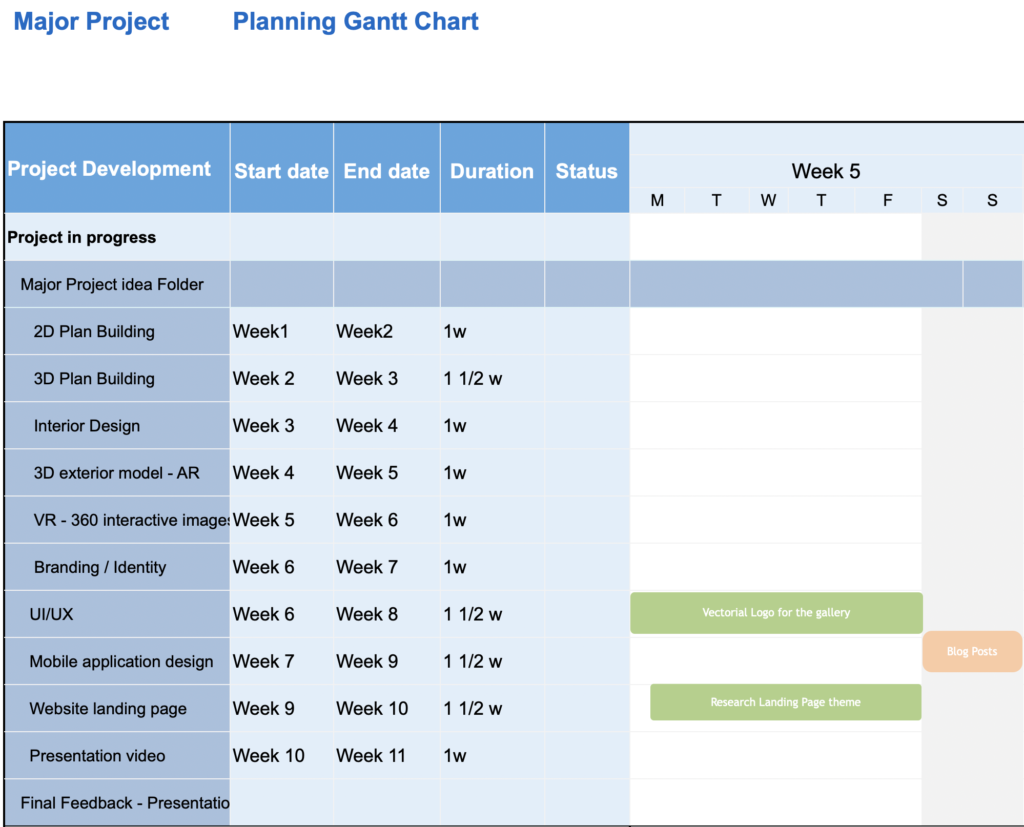
In the 5th week, I started working on the brand identity. As the Gant chart showed, I have started researching this part, and I was thinking about Identity before starting this week. I already figured out a name for my project – VIART – VI (virtual) ART (art gallery). I had already brought the domain, and I was also thinking about my visual identity. After a few versions for my visual identity and after the session with my tutor, I decided to change the logo because the idea behind it was similar to Victoria and Albert Musem – using the principal letters V&A, even if visually was different.
As we can see, I had some changes to the Gant Chart graphic planner. I chose to work on this part in the next period because I know from experience that it would take some time to finish the website and create and set all the pages. This is why I will establish the structure, and after that, during the time I will finalise the interface.
Innovative art galleries continuously seek new ways of penetrating the market, especially after low profits resulting from the recent lockdown. In the online world, where competition for new users is at an all-time high, most users prefer mobile apps compared to websites. Statistics from statista.com show that a massive percentage of global internet traffic is from mobile devices. Art galleries are now shifting their attention to mobile apps in a bid to capture a wide audience. This fact, I can test on the survey when the project is finished.
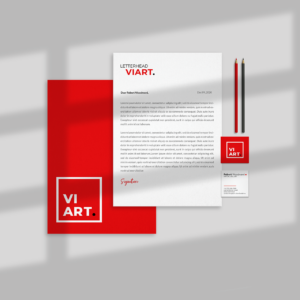
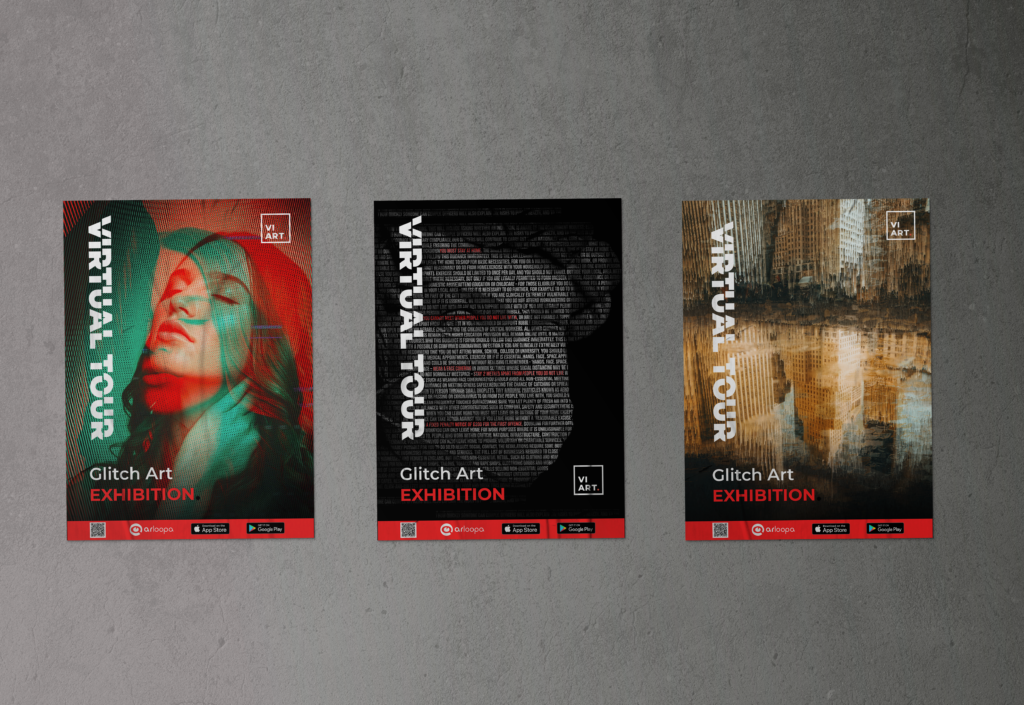
Icons play a key part in branding, and they serve as graphic materials that provide key information without much need for text. Icons vary in design and size and are often used for diverse projects, including logo designs and infographics. Innovative art galleries are increasingly adopting the use of flat logo designs. Apart from allowing designers to come up with complex designs, shifting to flat designs was also triggered by the fact that they easily allow logos to become vectors. This means that they can shrink or expand without compromising on quality. This trend continues to influence the Ui segment more and more as many innovative galleries are adopting such logos and icons to stand out.
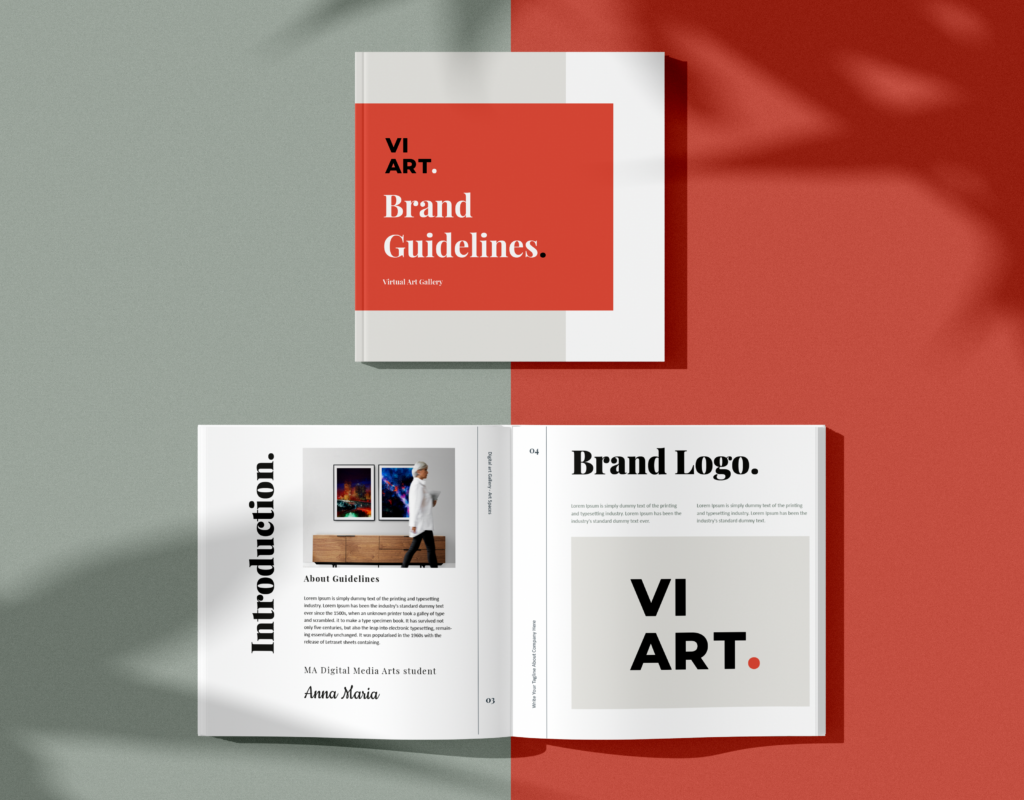
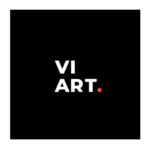
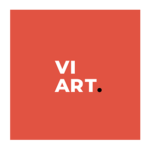
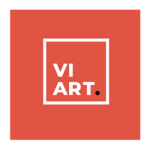
For this visual identity, I researched, and I found out that most well-known galleries use initials and some parts from the name in the logo. In addition, modern contemporary art galleries or museums use the name on one or two lines. Using this information, I opted to use the identity on two lines short version them. VI (VIRTUAL) – ART. The visual logotype can be used with or without a square to centre the name and equilibrate the icon’s visual.
During my studies in the art domain – high school and University I learned that each composition should have at least 5% red. Those criteria were rules to finalise a good project, to catch the attention, besides the other rules of composition. Chromatic, I have chosen to use a monochromatic palette plus the red dot – that 5% touch.
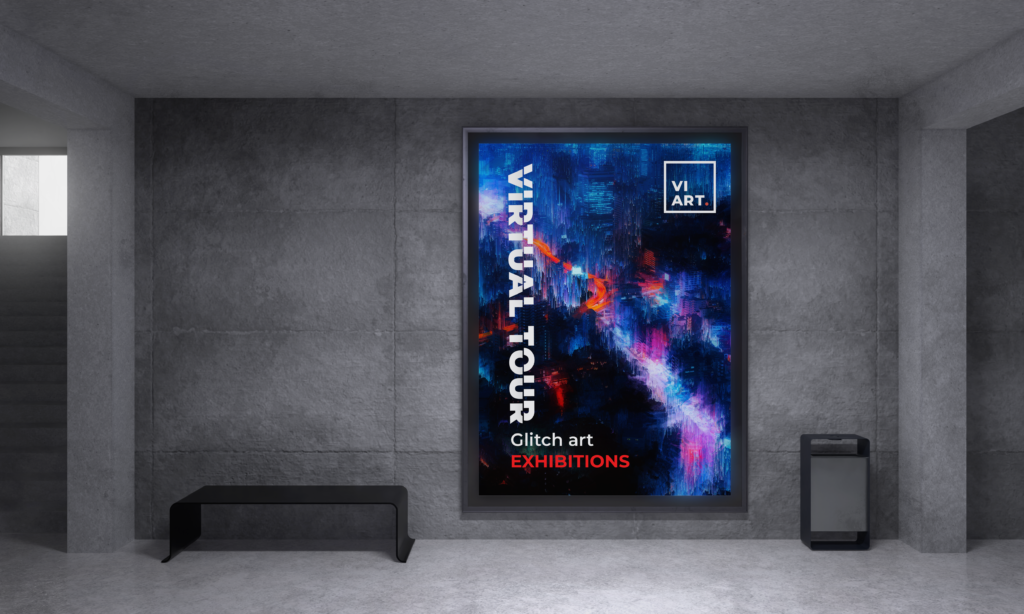
As the quest to save the planet continues to gain momentum, many businesses adopt eco-friendly packaging alternatives to plastic. Plastic is among the biggest environmental pollutants, and many governments are either passing legislation to abolish its use or imposing high taxes on companies using it. As the trend of using biodegradable material continues to gain momentum, more innovative galleries are already using them in their packaging. Packaging design expresses a brand’s identity and turns packaging into an experience. Art galleries are using this form of packaging as an element that distinguishes them from competitors.
In conclusion, brand identity plays a crucial role in determining the success or failure of any business. Innovative galleries adopting the latest trends in brand identity are likely always to outdo their competitors.
References:
- Dinea L., Studio M., Baldean M.. (2020). Design trends 2021 [Online] November 2020. Available at: https://www.behance.net/gallery/107015729/2021-Design-Trends [Accessed: 3rd July 2021]
- Fellow Studio (2021). 3D to Flat Logos – How Our Icons and Logos Have Changed [Online] January 2021. Available at: https://www.fellowstudio.com/2021/01/20/3d-to-flat-logos/ [Accessed: 3rd July 2021]
- Lucidpress (2016). The 7 key elements of brand identity design [Online] June 2016. Available at: https://medium.com/lucidpress/the-7-key-elements-of-brand-identity-design-f2dac84165be [Accessed: 3rd July 2021]
- Clement J.. (2021). Mobile internet traffic as a percentage of total web traffic in March 2021, by region [Online] April 2021. Available at: https://www.statista.com/statistics/306528/share-of-mobile-internet-traffic-in-global-regions/ [Accessed: 3rd July 2021]
- ART BUSINESS INFO (2021). Packaging materials for shipping art [Online] Available at: https://www.artbusinessinfo.com/packaging-materials.html [Accessed: 3rd July 2021]