Augmented reality - experience

One of the most famous AR technology is Pokémon Go, a gaming application. This technology makes users feel like they are actually in the real world with animated creatures. The current pandemic makes it challenging to interact in most public places such as schools and airports.

Architects and building designers are developing innovative ways to curb the germ spread and encourage social distancing with new building designs. Joe Doucet, a New York designer, came up with a creative way to use AR in creating artwork. Hospitals and museums are also part of this evolution that will see changes in architectural designs ranging from room layouts to hands-free technology. However, one should imagine how future art exhibitions would be.

What are the Possibilities of Museums Using AR?

There are so many ways in which artists and curators can use AR in museums. When people visit museums, AR can help them view an additional explanation of artworks. Moreover, AR could help create a digital version of the painter or artist who could provide additional information through narration in 3D.


Through AR, artists can bring their pieces to life by the addition of a third dimension. More and more organizations are using augmented reality since they add life to the existing work, attracting broader audiences.

What Makes AR a Better Option for Art

Many factors make AR a better option for art than VR. Here are some of the ways:

1.    It Has a Preference and Is Easy To Scale

An AR user can scale their work to their preferred choice when rendering their work. Meaning, an end-user can develop a product to the size they desire, including life sizes.


2.    Art Creation with AR is Easy

It is straightforward to use AR when creating art. Most of the applications are easy to operate and has user-friendly. Moreover, one does not need extra expensive equipment to use AR. For instance, Artvive allows one to test new ideas anywhere with a smartphone.

3.    AR experience is Intuitive and easy

AR allows people to experience artwork intuitively, where they share AR experiences in public spaces by using their devices.  Moreover, AR brings life to static artwork by making them more 3D-like hence unveiling hidden features.

4.    Easily accessible

Today, almost everyone has access to a smartphone. Accessing AR is relatively easy as one only needs to upload an app to experience augmented reality.

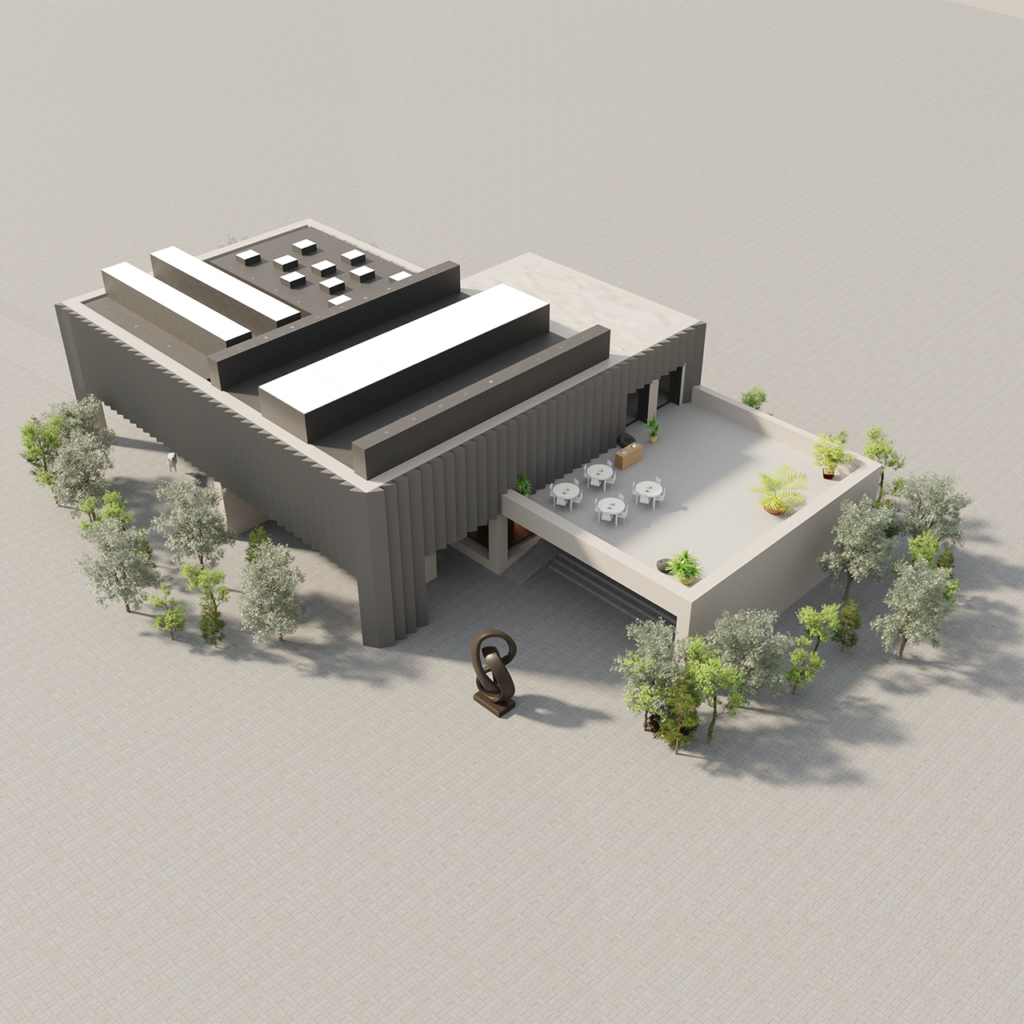
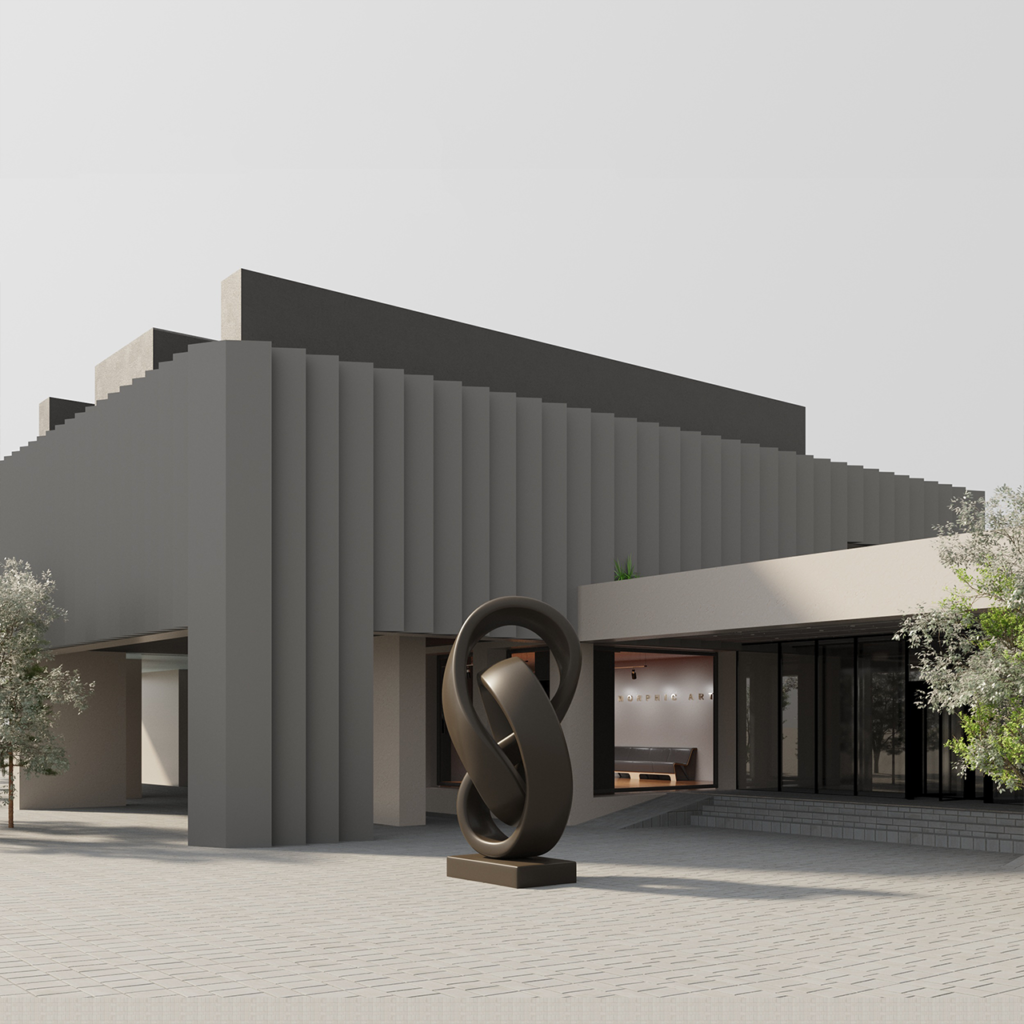
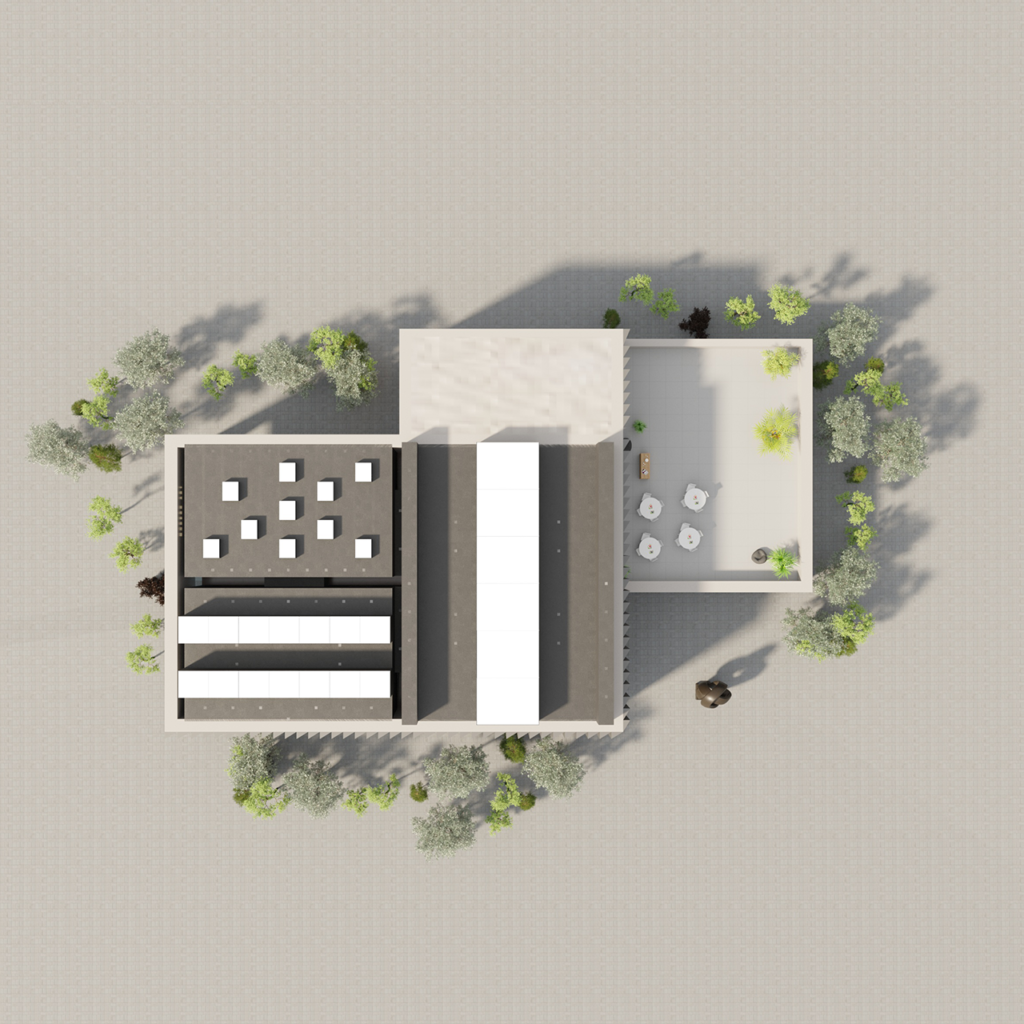
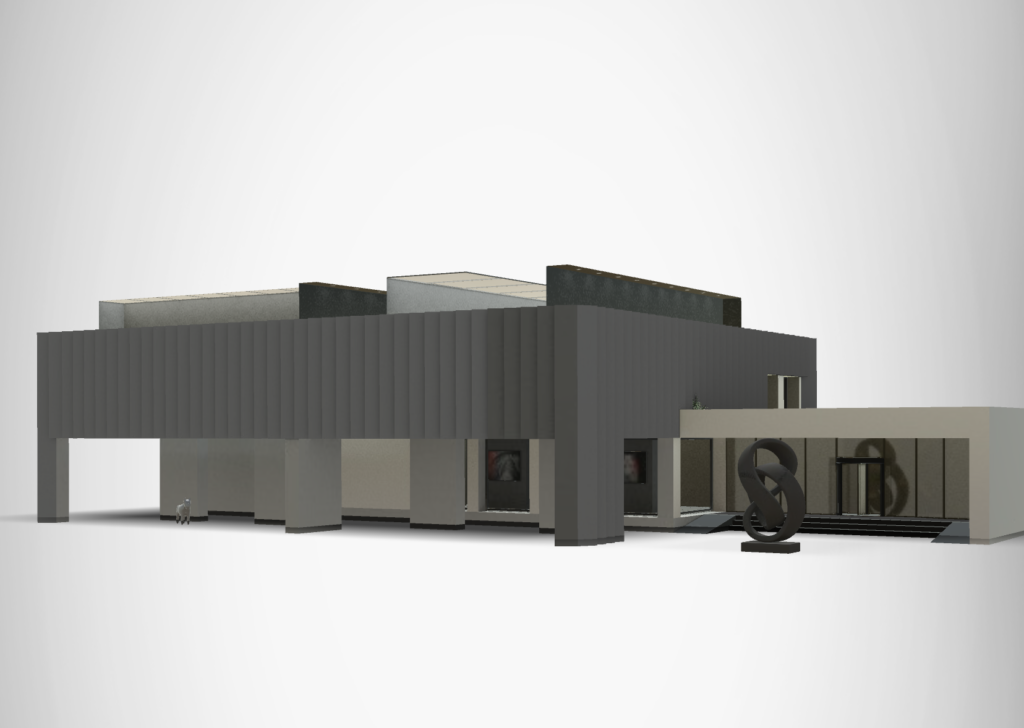
This week, I had some technical issues with the ARki program because the file is bigger than 100MB. The program requires an fbx—file under 100 MB. The volume uploaded is without textures, but uploading a few textures inside the application is possible. The interior design uploaded in the system has some issues with the objects. Some benches are upside down.

After converting the file into different formats, I tried to find another possibility to use AR with my project. For two days, I was struggling to find the best solution. Finally, I found Arloopa, which requires a GLB format for the volume. For this, I downloaded the file in USDZ (Converted AR format) directly from Sketchfab and I converted it online in GLB. I uploaded the file, which should be under 150MB, and the magic happened. The volume should be placed on the anchor. In the first stage, it wasn’t easy to fit the two pieces together. Also, with this software, It was a technical issue with iOS.

After many tries, I used a Chrome device, and everything worked just fine. I experimented with a different kind of AR, and I was delighted to see that everything was working properly. For the location pin, I was outside to see the accessibility for the pin locator. I figure out that, for a good experience, the user device should have a good internet connection. I printed the AR anchor, and I stick them on the walls outside to record the experience as a movie, but the internet connection was poor, and everything took so long to load, giving up the idea.


With the Arloopa system, I was delighted to find that I can make my project more accessible, being able to use my 360-degree images with an image- a regular anchor.  At the final of the week, I was more than satisfied with the results of the AR.
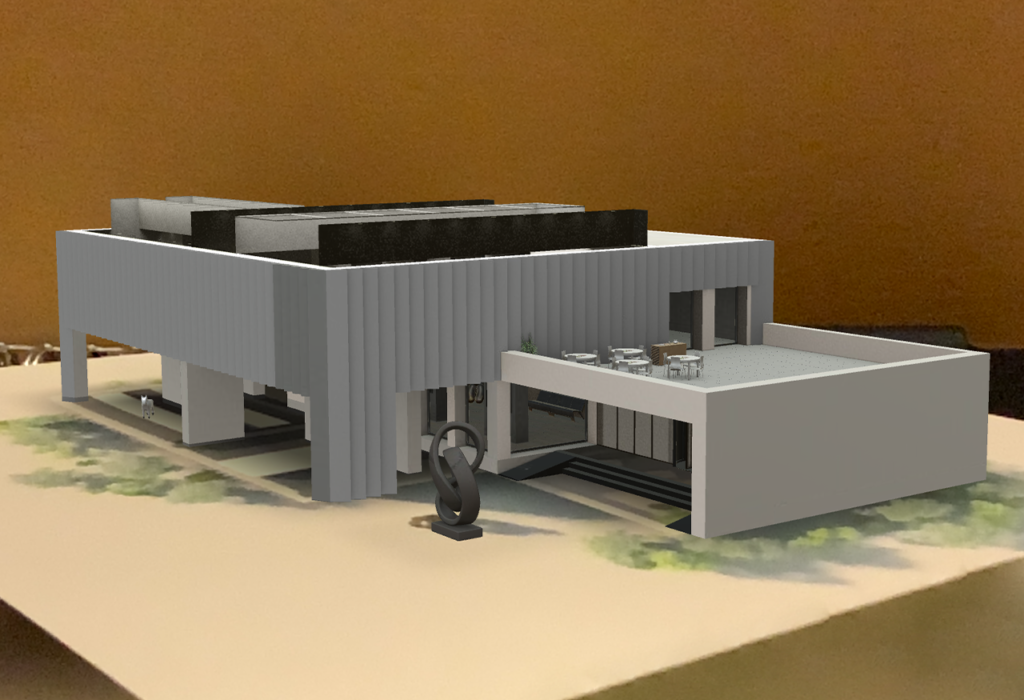
AR – ARTEFACT
Experimentation

AR is changing how people create and interact with art. Artists and curators are coming up with innovative ways to sell and present their artworks. Museums alike are using augmented reality to display their works, especially now that there is a need for social distance due to the pandemic.
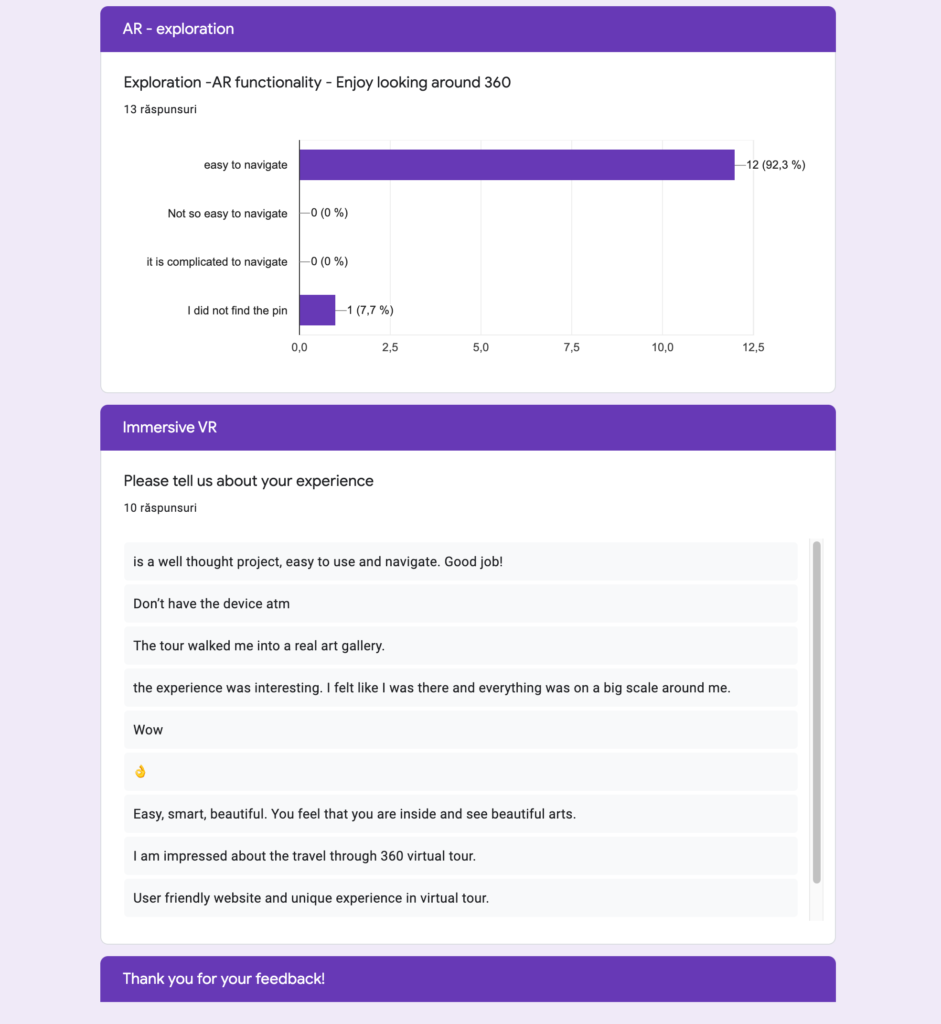
user survey